Kraft paper's distinctive brown tone has become closely associated with natural, premium, and eco-conscious branding across food service — but its popularity isn't purely aesthetic. Here's what makes it a genuinely durable packaging choice.
Looking to stock up? Browse our related product range for bulk pricing and fast delivery.
Manufacturing Strength
Kraft paper is produced through a specific chemical pulping process that results in notably strong, tear-resistant fibers — part of why Kraft has long been used for heavy-duty applications like shipping and industrial packaging, well before it became a food-service design trend.
Versatility Across Formats
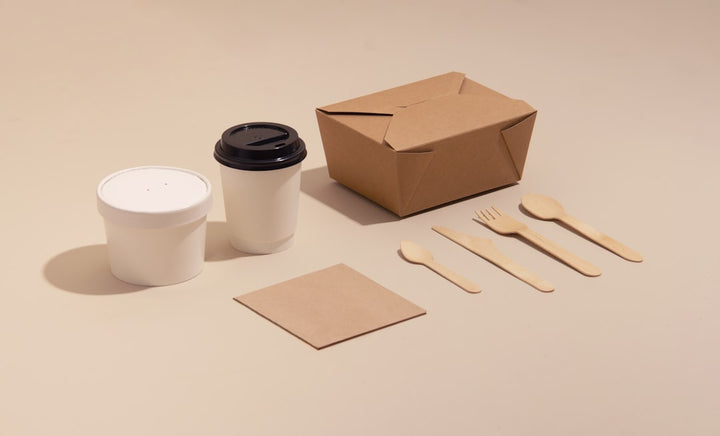
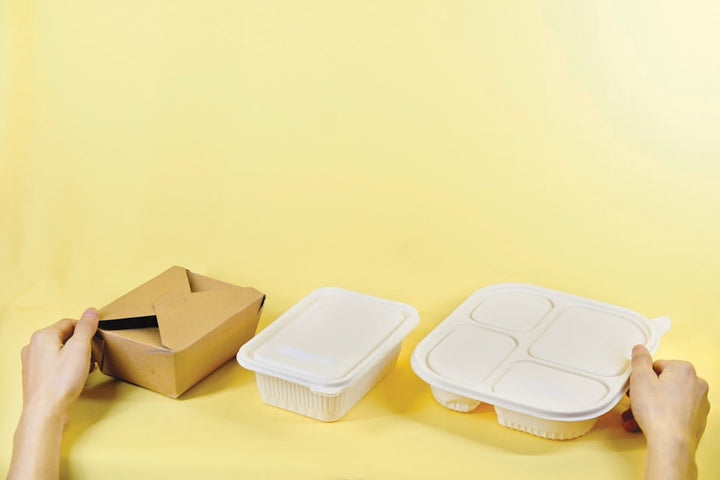
Kraft's strength and flexibility make it suitable across a wide range of packaging formats — containers, bags, noodle boxes, boat trays, and more — giving businesses a consistent material and aesthetic across their entire packaging range.
Sustainability Credentials
Kraft paper is generally recyclable and often sourced from sustainably managed forestry, giving it credible environmental positioning alongside its functional strength.
Brand Perception
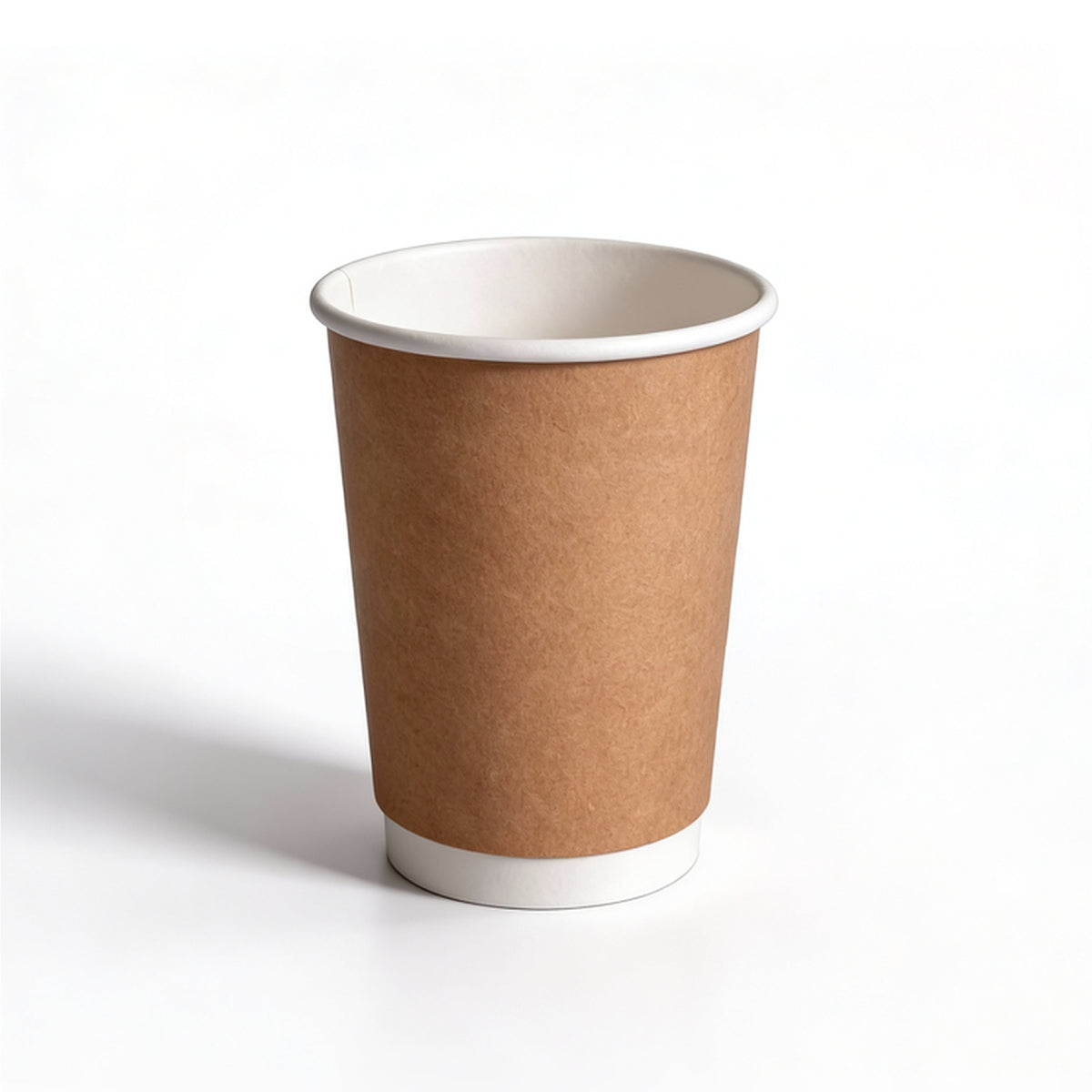
Beyond function, Kraft's natural, unbleached appearance has become genuinely associated with quality and authenticity in customers' minds — a branding benefit that goes beyond what the material's practical properties alone would suggest.
Frequently Asked Questions
Does Kraft paper packaging cost more than plastic?
Generally yes, though the gap has narrowed as demand has increased production scale, and the difference is often offset by improved customer perception and reduced regulatory risk.
Is Kraft paper strong enough for heavy or wet food items?
Kraft paper handles moderately wet and heavier items well, though very liquid-heavy dishes are better suited to purpose-built anti-leak containers regardless of material.