With more food ordered for delivery and reheated at home, whether packaging is genuinely microwave-safe has become a practical concern — not just a technical detail. Here's what actually works.
Looking to stock up? Browse our related product range for bulk pricing and fast delivery.
Bagasse: Generally Safe
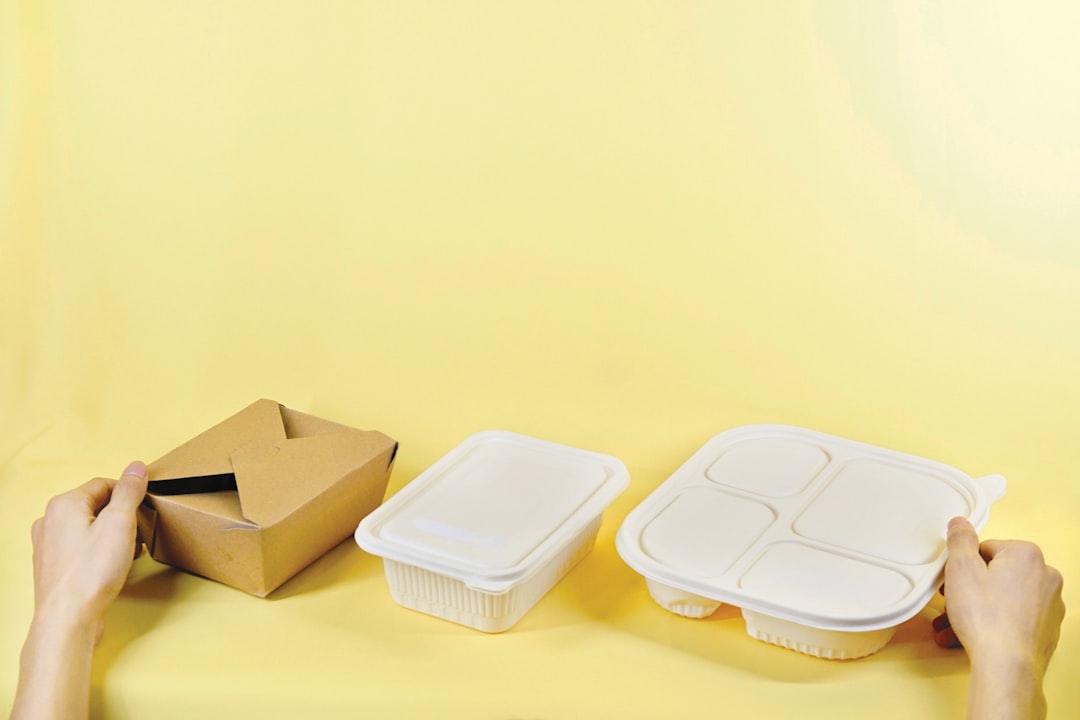
Bagasse is naturally microwave-safe for typical reheating durations, since the material doesn't contain the plastics or metallic elements that cause problems in a microwave. This is one of Bagasse's clearest functional advantages over other disposable materials.
Standard Plastic: Often Not Safe
Many standard plastics aren't rated for microwave use and can warp, leach, or in some cases pose safety concerns when heated. Unless specifically labeled microwave-safe, plastic packaging should generally be assumed unsuitable for reheating.
Coated Paper: Usually Not Rated
Most coated paper products aren't designed or rated for microwave use, even though the base material is paper — the coating and construction aren't necessarily built to handle the heat and moisture cycling of microwave reheating.
PET Plastic Lids: Not Microwave-Safe
Clear PET lids are not designed for microwave use and should be removed before reheating any packaged food, regardless of what container is underneath.
What to Tell Customers
If your packaging includes Bagasse components suitable for reheating, it's worth communicating that clearly — it's a genuine convenience benefit that not every customer will assume by default.
Frequently Asked Questions
Can you microwave Bagasse containers?
Yes, generally — Bagasse is naturally microwave-safe for typical reheating durations, making it one of the more convenient disposable packaging materials for delivery food.
Is it safe to microwave food in a container with a PET lid on?
No — PET plastic lids should always be removed before microwaving, even if the container underneath is microwave-safe.