If you run a restaurant, cafe, or catering business, the plate you choose says almost as much about your brand as the food on it. The three most common disposable plate materials — Bagasse, coated paper, and plastic — each come with real trade-offs in cost, durability, and sustainability. Here's a practical breakdown to help you choose.
Looking to stock up? Browse our related product range for bulk pricing and fast delivery.
Bagasse Plates
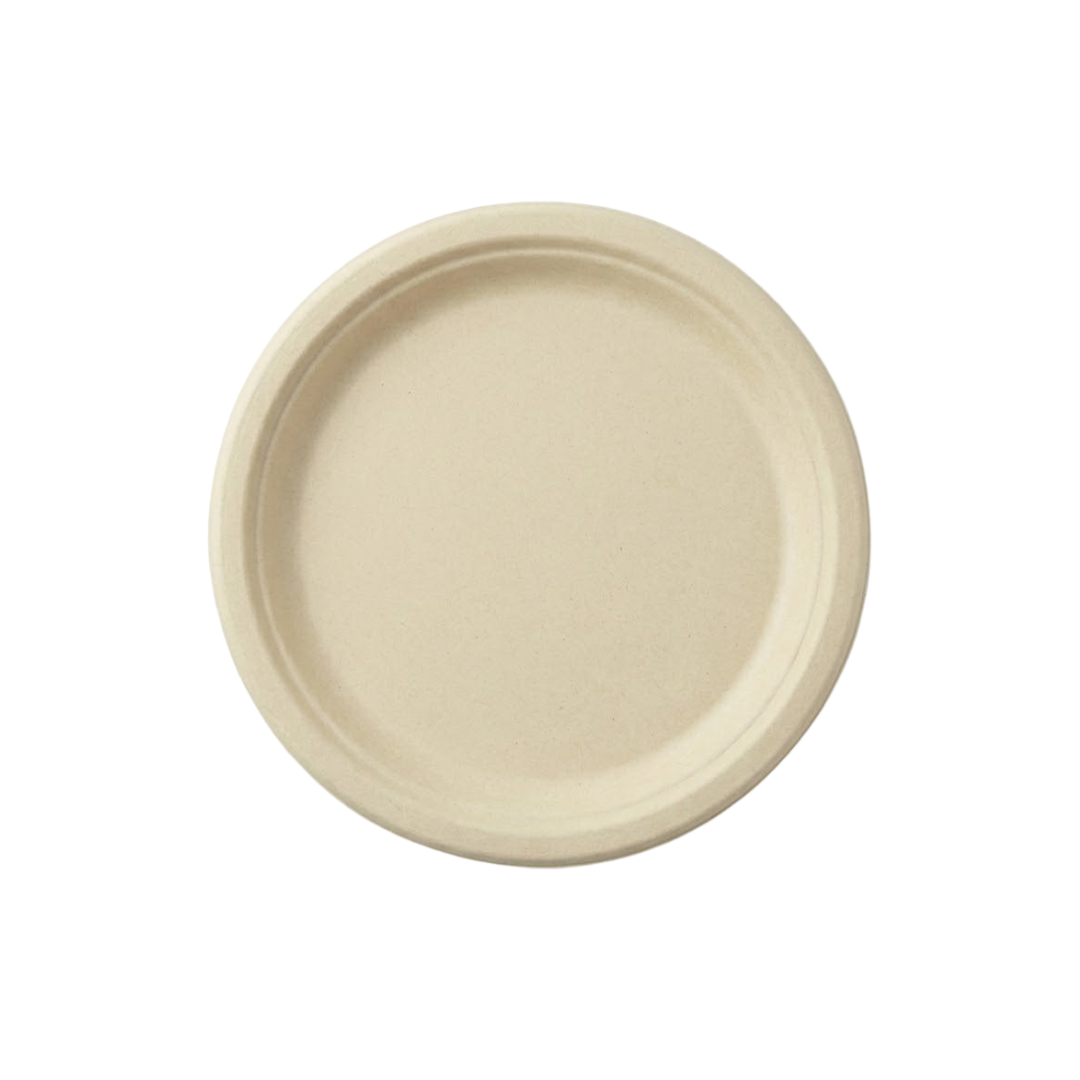
Bagasse is made from sugarcane fibre left over after juice extraction — a genuine waste-to-value material. Bagasse plates are sturdy, naturally microwave-safe, and compostable in industrial facilities. They have a slightly textured, earthy look that works well for cafes and eco-conscious brands. The trade-off: they cost more per unit than plastic, and very oily or liquid-heavy foods can occasionally cause slight sogginess over long serving times.
Coated Paper Plates
Paper plates with a food-safe coating are lightweight and affordable, and print well for branded packaging. They handle dry to moderately wet foods well but generally aren't microwave-safe unless specifically rated, and they're less rigid than Bagasse for heavier meals.
Plastic Plates
Plastic remains the cheapest option upfront and handles liquids and heat well. However, regulatory pressure is increasing across Indian states, and customer perception is shifting — many diners now associate plastic packaging with lower-quality service, even when the food itself is excellent.
Which Should You Choose?
For most food-service businesses today, Bagasse offers the best balance: durable enough for real meals, safe for reheating, and aligned with where both regulation and customer expectations are heading. Paper remains a solid budget option for lighter fare. Plastic is increasingly a liability rather than a cost-saver.
Frequently Asked Questions
Which disposable plate material is best for hot food?
Bagasse handles hot food best among disposable options — it's naturally heat-resistant and microwave-safe, unlike most coated paper and standard plastic plates.
Are Bagasse plates more expensive than plastic?
Yes, typically 10-25% more per unit, but the gap narrows significantly when buying in bulk, and many businesses recover the difference through improved customer perception and reduced regulatory risk.